Fabspin

Blog

How to Remove Oil Stains from Clothes

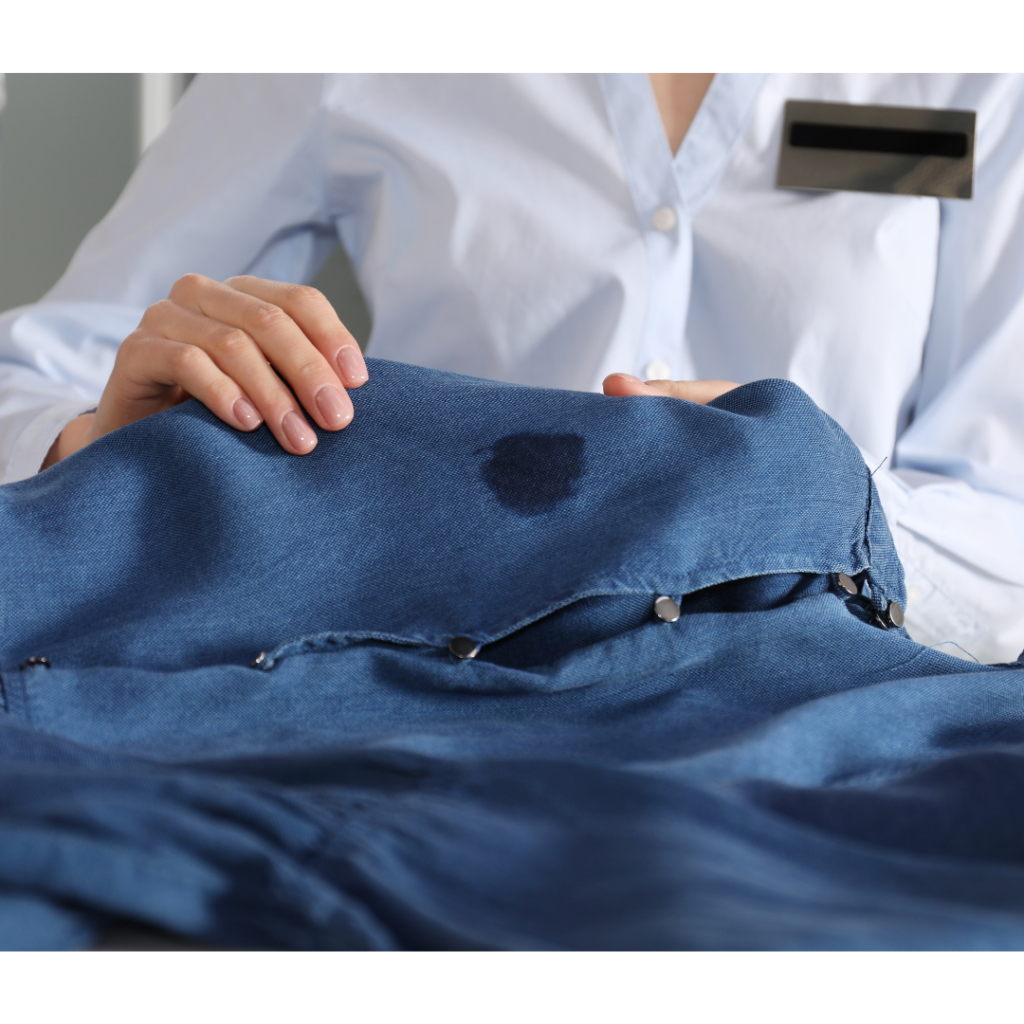
Introduction: Tackling Oil Stains on ClothesOil stains are some of the most stubborn marks you can find on clothing. Whether you’re cooking, working on your car, or handling greasy food, oil stains can quickly make your favorite garments look messy and worn. Fortunately, there are several ways to remove oil stains from clothes, and with the right techniques, you can restore your items to their original condition.In this blog, we’ll walk you through some of the best methods for removing oil stains from different fabrics, both at home and with professional help from Fabspin. How to Remove Oil Stains from Clothes1. Blot, Don’t RubAs soon as you notice an oil stain, it’s important to act fast. Use a paper towel or cloth to blot the stain gently. Avoid rubbing, as this can spread the stain further into the fabric fibers.2. Apply Dish Soap or Liquid DetergentDish soap is great for breaking down grease and oil. Apply a small amount directly to the stain and gently work it into the fabric with your fingers or a soft brush. For Liquid Detergent: If you don’t have dish soap, a gentle liquid detergent can work as well. Apply it in the same way. 3. Let It SitAllow the soap to sit on the stain for 5-10 minutes to break down the oil. Don’t let it dry out completely, as it may be harder to remove.4. Wash NormallyAfter the oil has been treated, wash the garment in the warmest water safe for the fabric. This helps to further remove the oil residue.5. Check Before DryingBefore drying the item, check to ensure that the stain has been completely removed. If the stain persists, repeat the process before putting the clothing in the dryer, as heat can set the stain. When Oil Stains Won’t BudgeSome oil stains can be stubborn, even after several attempts to remove them. In such cases, Fabspin’s professional stain removal services can help. Our experts know how to treat tough stains with specialized cleaning techniques, ensuring your clothes come back looking like new. FAQ Can I remove oil stains after they’ve been washed? Yes, it’s possible to remove oil stains even after washing, but it’s best to treat the stain as soon as it happens for the best results.What if I don’t have dish soap? If you don’t have dish soap, a liquid laundry detergent can also help break down the grease. You can apply it directly to the stain before washing.Can oil stains be removed from delicate fabrics? Yes, oil stains can be removed from delicate fabrics, but extra care should be taken when applying any cleaning agents. Always test a small area first.Will oil stains come out after drying? Oil stains are more difficult to remove once the fabric has been dried. It’s best to treat the stain before drying. Divaspin Casino Review And Free Chips Bonus However, reapplying detergent and re-washing can still help remove the stain. Conclusion: Keep Your Clothes Looking FreshOil stains don’t have to ruin your favorite clothes. With the right tools and techniques, you can remove oil stains quickly and effectively. Whether you’re dealing with a small stain or a more persistent mark, Fabspin is here to help with professional cleaning services designed to keep your clothes looking their best.

Blog

How to Remove Stains from White Shirt Collars

Introduction: The Challenge of White Shirt Collars White shirts are timeless staples in every wardrobe, but they come with a common challenge—keeping them looking clean. Collar stains are especially tricky to tackle since the fabric around the neck is more prone to oils, sweat, and dirt. If you’ve ever struggled with stubborn stains on your white shirt collars, you’re not alone. At Fabspin, we understand how important it is to keep your shirts looking crisp, clean, and fresh. How to Withdraw Funds Using eCheck at Online Casinos? In this guide, we’ll share some tried-and-tested methods for removing stubborn stains from white shirt collars using simple at-home remedies and expert professional techniques. Whether you’re relying on Professional Dry Cleaners in Delhi or searching for the Best Dry Cleaners in Delhi, these tips will help you maintain your shirts in pristine condition, ensuring you always look sharp and confident. Step-by-Step Guide to Removing Stains from White Shirt Collars 1. Pre-Treating the Stains Before washing your shirt, it’s important to treat the collar stains directly. Use a Stain Remover: Apply a gentle stain remover directly to the collar stains. Look for products that are safe for delicate fabrics like cotton or linen. DIY Solution: If you prefer natural remedies, create a paste by mixing baking soda and water. Apply this paste to the stained area and let it sit for 15-20 minutes before scrubbing gently with a soft toothbrush. 2. Soak in Warm Water After pre-treating the stains, soak the shirt in warm (not hot) water. This will help to loosen any dirt and oils embedded in the fabric. Add a small amount of detergent to the water to enhance the cleaning power. Let the shirt soak for 30-45 minutes. 3. Wash Normally Once the shirt has soaked, wash it as usual. You can either hand wash or machine wash, depending on the care instructions for the fabric. For Machine Washing: Use a gentle cycle with cold or lukewarm water to avoid shrinking or damaging the fabric. For Hand Washing: Wash the shirt gently with a mild detergent. 4. Dry with Care After washing, always air dry your white shirt, especially the collar. Avoid direct heat sources, which can set stains. Instead, lay it flat on a towel or hang it up to dry. Preventing Stains on White Shirt Collars Preventing stains from forming in the first place is key to maintaining a clean shirt. Here are a few tips: Wear an Undershirt: Wearing a thin undershirt can help absorb sweat and oils before they transfer to your collar. Use a Collar Protector: There are collar protectors available that can be attached to the shirt to prevent oils and dirt from building up. Regularly Wash Shirts: The more frequently you wash your shirts, the less time stains have to set. This helps keep your white shirts looking fresh for longer. When to Seek Professional Help While home remedies and DIY methods can be effective for minor stains, sometimes persistent stains require professional care. At Fabspin, we use high-quality detergents and advanced techniques to remove stains without damaging your shirt. Our team is experienced in treating all types of stains and fabrics, ensuring your shirts stay spotless. FAQ How can I prevent collar stains on my white shirts? To prevent stains, consider using a collar protector, wearing an undershirt, or applying a fabric stain guard to protect the collar from oils and dirt. What’s the best method to remove yellow stains from shirt collars? A paste of baking soda and water can effectively remove yellow stains. Best Mobile PayPal Casino UK Apply the paste, let it sit for 15-20 minutes, and then scrub gently. Can I use bleach to remove stains from my white shirt collar? Bleach can sometimes be too harsh for fabrics and can weaken the fibers. Opt for gentler stain removers or natural remedies first. What if the stain won’t come out after washing? If the stain persists, try re-treating the area with stain remover before washing again. For tough stains, professional dry cleaning may be necessary. Conclusion Stains on white shirt collars don’t have to be a permanent problem. With the right pre-treatment methods, soaking techniques, and proper washing care, you can easily keep your shirts looking crisp and spotless. For tougher or deeply set stains, Fabspin’s expert cleaning services offer a reliable and professional solution to maintain your wardrobe’s freshness. Whether you’re looking for Professional Dry Cleaners in Delhi or the Best Dry Cleaners in Delhi, Fabspin ensures your clothes receive the premium care they deserve for long-lasting brilliance.

Blog

How to Wash Wool Sweaters – The Complete Guide

Introduction: Caring for Your Wool Sweater Wool sweaters are a staple of any cozy wardrobe, especially in colder weather. However, wool is a delicate fabric, and proper care is essential to maintain its softness, prevent shrinkage, and avoid unsightly pilling. Whether you prefer the manual approach of hand washing or the convenience of machine washing, understanding the best methods for cleaning wool sweaters is key to extending their life. At Fabspin, we offer specialized care for wool garments, ensuring that your sweaters stay in pristine condition with every wash. In this guide, we’ll walk you through the right techniques for washing wool sweaters to keep them looking fresh for years to come. How to Hand Wash Wool Sweaters Hand washing is the gentlest way to clean wool sweaters. Here’s a step-by-step process for achieving the best results: How to Machine Wash Wool Sweaters While hand washing is the safest method for wool, modern washing machines often have gentle cycles specifically designed for delicate fabrics. If you prefer using your washing machine, follow these steps: Common Mistakes to Avoid When Washing Wool Sweaters Why Fabspin is the Best Choice for Wool Care At Fabspin, we specialize in providing professional cleaning services for all types of delicate fabrics, including wool. Our expert team ensures that your wool sweaters are treated with the utmost care, whether you prefer hand washing or machine washing. We use eco-friendly detergents and cutting-edge technology to ensure your garments remain soft, fresh, and in top condition. FAQ Conclusion: Keep Your Wool Sweaters Looking New Whether you choose to hand wash or machine wash, following the right steps will ensure your wool sweaters stay soft, comfortable, and long-lasting. For those who prefer hassle-free care, Fabspin is here to help with professional laundry services that cater to all your wool care needs.

Blog

Dry Iron vs Steam Iron – Which Is Better?

Introduction: Understanding the Basics of Dry Iron vs Steam Iron Ironing is an essential part of garment care, ensuring your clothes remain smooth, crisp, and fresh. With the variety of irons available, it can be tough to decide whether a dry iron or a steam iron is right for your needs. Both offer unique advantages depending on the types of fabrics you’re dealing with, the time you have available, and your ironing preferences. At Fabspin, we understand how important the right ironing technique is for maintaining your wardrobe, so we’ve explored the pros and cons of both dry and steam irons to help you choose the best option. What Is a Dry Iron? A dry iron is the traditional, classic iron that heats a solid metal plate to high temperatures and presses it against the fabric. Unlike a steam iron, it doesn’t have a water tank to release moisture. This type of iron is best for fabrics that require controlled heat without the extra steam. Pros of a Dry Iron: Cons of a Dry Iron: What Is a Steam Iron? A steam iron is a modern alternative that combines heat with steam to effectively remove wrinkles from fabric. The iron has a water tank and produces steam that is released through holes in the soleplate. This moisture helps loosen the fibers, making the process faster and more efficient. Pros of a Steam Iron: Cons of a Steam Iron: Key Differences Between Dry and Steam Irons Feature Dry Iron Steam Iron Operation Soleplate heating only Steam + heated soleplate Best For Delicate fabrics like silk Heavy fabrics like linen, cotton Ease of Use Simple, easy to control More complex, requires water filling Weight Light Heavier due to water tank Maintenance Low Higher maintenance required Wrinkle Removal Good for light wrinkles Excellent for tough wrinkles Which One Should You Choose: Dry or Steam Iron? Deciding which iron is best for you ultimately depends on your ironing needs. Here’s a handy guide: How Fabspin Enhances Your Ironing Experience At Fabspin, we take the guesswork out of garment care with our professional ironing services. Our team uses advanced steam technology to ensure your clothes are perfectly pressed, whether you’re dealing with delicate fabrics or thick linens. Let us take care of your ironing so you can focus on what really matters. With Fabspin, your clothes are handled by professionals who understand the intricacies of each fabric. We provide comprehensive garment care services, including washing, drying, and ironing, ensuring every garment looks as good as new. When you trust us with your laundry, you’re opting for impeccable results and absolute convenience. FAQ Conclusion: Dry vs. Steam Iron – Which One Wins? Both dry and steam irons have their benefits, but the right choice depends on your ironing preferences and fabric types. Dry irons are ideal for delicate fabrics and precision, while steam irons shine when it comes to efficiently tackling tough wrinkles. Whichever iron you choose, Fabspin ensures your clothes are always perfectly pressed with professional care.

Blog

How To Remove Oil Stains From Clothes

Oil stains can be frustrating, but don’t worry—they’re not impossible to tackle. Whether it’s a splash of cooking oil or a grease spot from fixing your bike, removing these stains can save your favorite outfits from the donation pile. In this guide, we’ll explore step-by-step techniques to remove oil stains and answer common questions like, “Are oil stains on clothes permanent?” and “Can you remove oil stains from clothes after washing?” Why Oil Stains Are Tough to Remove Oil stains cling to fabric fibers because oil is hydrophobic, meaning it repels water. Unlike water-based stains, oil doesn’t dissolve easily, making traditional washing methods ineffective. That’s why a specialized approach is necessary. Essential Supplies for Removing Stains Here’s what you’ll need: These items are household staples, so there’s no need for expensive cleaners. 1: Act Quickly Did you know that the longer a stain sits, the harder it is to remove? Imagine oil as a guest overstaying its welcome. The sooner you address it, the easier it will be to kick out. 2: Blot, Don’t Rub Gently blot the stain with a paper towel or clean cloth. Avoid rubbing, as this can push the oil deeper into the fabric fibers. Think of blotting as a gentle pat on the back rather than a rough shove. 3: Apply Absorbent Powders Sprinkle baking soda or cornstarch generously over the stain. These powders act like little sponges, soaking up the oil. Leave it for at least 30 minutes—longer for heavier stains—then brush it off. 4: Pretreat the Stain Apply a few drops of dish soap directly onto the stain. Dish soap is a grease fighter in your kitchen and works wonders on clothes too. Use a toothbrush to gently scrub the area in a circular motion. If you’re dealing with delicate fabrics, be extra gentle. 5: Wash With Care Wash the garment in warm water using your regular laundry detergent. If the fabric’s care label allows, warm water can help break down oil residues. Check the stain before drying; heat can set the stain permanently. Removing Old Oil Stains Old stains require a bit more effort, but they’re not a lost cause. Start by reapplying baking soda or cornstarch, then follow up with dish soap and warm water. You may need to repeat the process several times. Can You Remove Oil Stains After Washing? Yes, it’s possible! If you notice a stain after washing, don’t panic. Reapply dish soap or a specialized stain remover, let it sit, and rewash the garment. Avoid drying it until the stain is fully gone. Preventing Future Oil Stains Prevention is the best cure. Wear an apron while cooking or handling greasy tasks. For grease-prone jobs, opt for dark or stain-resistant clothing. Conclusion Removing oil stains from clothes doesn’t have to be a headache. With the right tools and techniques, you can rescue your garments and extend their lifespan. Remember, acting quickly and following these steps can make all the difference. FAQs 1. Are oil stains on clothes permanent? No, oil stains aren’t permanent if treated promptly and correctly. Acting quickly improves your chances of complete removal. 2. How do you get oil stains out of clothes without washing them? You can blot the stain, apply absorbent powders like baking soda, and gently brush it off. This method is useful for dry-clean-only fabrics. 3. Can old oil stains be removed? Yes, old stains can be treated using absorbent powders, dish soap, and repeated washing. Patience and persistence are key. 4. Does hot water set oil stains? Hot water can set oil stains if not pretreated. Always pretreat the stain before exposing it to heat. 5. Is dish soap safe for all fabrics? Dish soap is generally safe, but always test it on a small, inconspicuous area first, especially for delicate fabrics like silk or wool. By following these tips, you’ll never have to worry about oil stains ruining your wardrobe again!

Blog

How to Remove Stains from a White Shirt Collar

White shirts are classic wardrobe staples, but they’re also magnets for unsightly stains, especially around the collar. Whether it’s sweat, makeup, or dirt, collar stains can ruin the crisp look of your shirt. The good news? With a little effort and the right techniques, you can restore your white shirt to its pristine condition. Understanding Collar Stains Collar stains are typically caused by a mix of sweat, skin oils, and dirt that accumulate over time. These stains can be stubborn because they’re set into the fabric by body heat. Understanding the cause is the first step to finding the right solution. Pre-Treatment Essentials Before diving into specific methods, gather these essential supplies: Having these items ready will make the stain-removal process more efficient. 1: Baking Soda Paste Baking soda is a gentle yet effective cleaning agent that works wonders on stains. 2: Vinegar and Water White vinegar is a natural stain remover that breaks down dirt and grease. 3: Dish Soap Solution Dish soap is designed to cut through grease, making it an excellent choice for collar stains. 4: Hydrogen Peroxide Hydrogen peroxide is a powerful stain remover for white fabrics but should be used cautiously. 5: Commercial Stain Removers If home remedies don’t do the trick, commercial stain removers can be your backup. Tips for Persistent Stains Preventing Collar Stains An ounce of prevention is worth a pound of cure. Here are some tips to keep your collars clean: FAQs on Removing Collar Stains 1. How do you remove old stains from a white shirt collar? For old stains, try soaking the collar in a mixture of baking soda and hydrogen peroxide before scrubbing and washing. 2. Can I use bleach on white shirts? Yes, but only on 100% white cotton fabrics. Avoid using bleach on shirts with patterns or delicate fabrics. 3. What is the fastest method for removing stains? Using a dish soap solution is quick and effective for light stains. 4. Are there natural alternatives to commercial stain removers? Yes, baking soda, vinegar, and lemon juice are excellent natural alternatives. 5. How can I prevent sweat stains on my collar? Wear undershirts, use antiperspirant, and wash your shirts promptly to prevent sweat stains from setting. By following these simple tips and tricks, you can say goodbye to pesky collar stains and keep your white shirts looking as good as new. Give these methods a try and enjoy the confidence of a spotless wardrobe!

Blog

How To Wash Wool Sweaters

Keeping your wool sweaters clean can feel tricky, but it’s simpler than you might think. Whether you’re handwashing or using a machine, with a few careful steps, you can ensure your sweaters stay soft, cozy, and looking new. Let’s dive into the process. Why Proper Care Matters Wool is a natural fiber that requires gentle handling. Washing your wool sweaters correctly not only preserves their softness and shape but also extends their lifespan. Improper washing can lead to shrinkage, stretching, or damage to the fibers. Materials You Will Need Before you start, gather these essentials: A gentle wool detergent A clean sink or basin Towels for drying Access to a washing machine with a wool or delicate setting (if using) Hand Wash Wool Sweaters Preparing for Hand Washing Handwashing is one of the best ways to clean wool sweaters. Start by checking the care label on your sweater. Winner Casino Fill a clean sink or basin with lukewarm water and add a small amount of wool detergent. Step-by-Step Hand Washing Submerge the sweater in the water and gently swirl it for about 5 minutes. Avoid rubbing or wringing the fabric. Rinse the sweater thoroughly with cool, clean water to remove detergent. Gently press out excess water without twisting. Lay the sweater flat on a towel, roll it up, and press lightly to absorb water. Reshape the sweater and lay it flat to dry on a clean surface. Machine Wash Wool Sweaters Choosing the Right Settings Modern washing machines often have settings specifically designed for wool. Use the delicate or wool cycle, which minimizes agitation and uses cooler water. Using a Wool Detergent Opt for a detergent formulated for wool to protect its natural fibers. Avoid regular detergents that can be too harsh. Tips for Machine Washing Place the sweater in a mesh laundry bag for added protection. Use cold water and avoid the spin cycle if possible. Drying Wool Sweaters Proper drying is crucial to prevent stretching or shrinking. After pressing out excess water with a towel, lay the sweater flat to dry. Avoid hanging it, as this can cause the sweater to lose its shape. Avoiding Shrinkage Shrinkage happens when wool fibers are exposed to heat or excessive agitation. Always use cold water and gentle handling to maintain the sweater’s original size. Storing Wool Sweaters Store your sweaters folded in a cool, dry place. Avoid hanging them, as this can stretch the fibers over time. Adding cedar blocks or lavender sachets can help keep moths away. Common Mistakes to Avoid Using hot water or a regular detergent Wringing or twisting the sweater Drying in direct sunlight or using a dryer Benefits of Wool Sweaters Wool is a sustainable, breathable, and naturally insulating material. Caring for your sweaters properly ensures you enjoy these benefits for years to come. Conclusion and Final Tips Washing wool sweaters might seem daunting, but with these simple steps, you can keep them clean and cozy without any fuss. Always read the care label, use gentle products, and handle your sweaters with care. FAQs 1. Can you machine wash all wool sweaters? Not all wool sweaters are machine washable. Check the care label for specific instructions. 2. How often should I wash my wool sweaters? Wash them only when necessary—usually after several wears unless they are visibly dirty. 3. Can I use regular detergent for wool? No, regular detergent can damage wool fibers. Use a detergent specifically designed for wool. 4. What should I do if my sweater shrinks? You can try gently stretching it back to its original size while damp, but results may vary. 5. How do I remove stains from wool sweaters? Spot treat stains with a gentle wool detergent before washing.

Blog

Dry Iron vs. Steam Iron – Which Is Better?

Introduction When it comes to keeping your clothes wrinkle-free, the right iron can make all the difference. But with so many options available, choosing between a dry iron and a steam iron can be confusing. Which is better for your needs? Let’s break it down and help you make the best choice for your ironing routine. 1. What Is a Dry Iron? A dry iron is a simple appliance designed solely to press wrinkles out of clothes. It uses heat and a flat soleplate to smooth fabric. Dry irons do not have a water tank or steam function, making them lightweight and straightforward to operate. They are ideal for fabrics that require a dry press, like silk or polyester. 2. What Is a Steam Iron? A steam iron, as the name suggests, comes with a built-in water tank that generates steam. Casino: Catalog of Games The steam helps to relax fabric fibers, making it easier to remove wrinkles, especially from heavier materials like cotton or linen. Latest No Deposit Codes For Existing Players – Vegashero Steam irons are versatile and can also be used as dry irons by simply turning off the steam function. 3. Key Differences Between Dry and Steam Iron Feature Dry Iron Steam Iron Steam Function No Yes Weight Lightweight Heavier due to water tank Versatility Limited to dry pressing Suitable for most fabrics Price Generally cheaper Slightly expensive Maintenance Easier Requires descaling 4. Advantages of Using a Dry Iron Simplicity: Dry irons are easy to use, with no water tank to fill or maintain. Lightweight: Easier to handle for long ironing sessions. Affordable: A budget-friendly option for basic ironing needs. Perfect for Delicates: Ideal for fabrics like silk that can be damaged by steam. 5. Advantages of Using a Steam Iron Quick and Efficient: Steam softens fabric, reducing ironing time. Versatile: Can be used for a variety of materials, including heavy fabrics. Better Results: Provides a polished, professional finish. Dual Functionality: Can be used as a dry iron by turning off the steam. 6. Which Iron Is Best for Delicate Fabrics? Dry irons are typically better for delicate fabrics, as they provide controlled heat without the risk of water stains or excessive moisture. Steam irons can also be used on delicate fabrics, but only if they have adjustable steam settings and a protective soleplate. 7. Which Iron Is More Energy-Efficient? Dry irons are generally more energy-efficient due to their simpler mechanism. Steam irons consume additional energy to heat water and produce steam. However, modern steam irons with energy-saving modes can offer competitive efficiency. 8. Ease of Use: Dry vs Steam Iron Dry irons are easier to use, especially for beginners, because they have fewer settings. Steam irons, while slightly more complex, offer more features that experienced users may find beneficial. 9. Price Comparison: Dry vs Steam Iron Dry irons are the more budget-friendly option, making them ideal for those with basic ironing needs. Steam irons are priced higher due to their additional features but offer better value for those who iron frequently or work with a variety of fabrics. 10. Maintenance Tips for Dry and Steam Irons Dry Iron: Wipe the soleplate regularly to prevent buildup. Store in a dry place to avoid rust. Steam Iron: Clean the water tank periodically to prevent limescale buildup. Use distilled water to minimize mineral deposits. Empty the tank after each use to prolong lifespan. 11. When to Choose a Dry Iron Opt for a dry iron if: You primarily work with delicate fabrics. You prefer a lightweight, no-fuss appliance. You’re looking for an affordable ironing solution. 12. When to Choose a Steam Iron Choose a steam iron if: You deal with stubborn wrinkles on heavy fabrics. You want a versatile tool for a variety of materials. You value a professional finish in your clothes. 13. Customer Reviews and Preferences Surveys indicate that individuals who prioritize convenience and versatility often lean toward steam irons. Conversely, those who prefer simplicity and affordability opt for dry irons. 14. Environmental Impact Dry irons have a lower environmental impact due to their energy efficiency and simpler construction. Steam irons, while slightly more resource-intensive, can minimize fabric wear and tear, potentially extending the life of your clothes. 15. Conclusion: Which Iron Should You Choose? The choice between a dry iron and a steam iron ultimately depends on your needs. If you value simplicity and primarily work with delicate fabrics, a dry iron is a great pick. On the other hand, if versatility and efficiency are your priorities, a steam iron is worth the investment. Evaluate your ironing habits, fabric types, and budget to make the best decision. FAQs 1. Slots Free Machines Which iron is better for daily use, dry or steam? A steam iron is better for daily use due to its versatility and ability to handle a variety of fabrics. 2. Can a steam iron be used as a dry iron? Yes, most steam irons have a dry mode that allows you to use them without steam. 3. What type of water should I use in a steam iron? It’s best to use distilled water to prevent mineral deposits and extend the iron’s lifespan. 4. Are dry irons better for travel? Yes, dry irons are lightweight and compact, making them an excellent choice for travel. 5. How often should I clean my steam iron? Clean your steam iron monthly or as recommended by the manufacturer to avoid limescale buildup.

Blog

Unique Selling Points That Differentiate Fabspin from Competitors

In a crowded market, distinguishing oneself from competitors is a monumental challenge. Fabspin, with its innovative approach, has carved a niche by offering services that go beyond the conventional. Whether through its cutting-edge technology, customer-centric services, or sustainable practices, Fabspin stands as a benchmark of excellence. This article explores Fabspin’s unique selling points (USPs) that give it an edge over the competition.

Blog

Why Delicate Vintage Garments Require Professional Cleaning and Restoration

Preserving vintage garments is about more than just aesthetics; it’s about safeguarding pieces of history. These timeless items, often intricately designed and fragile due to age, demand specialized care. Delicate vintage garments require professional cleaning and restoration to retain their charm, authenticity, and structural integrity. Here’s why trusting professionals is essential for preserving these cherished treasures.

Blog

How Fabspin Excels in Urgent Cleaning Requests with Speed and Precision

Life happens, and sometimes you need professional cleaning services at a moment’s notice. Whether it’s a last-minute event, a spill on your favorite outfit, or a critical cleaning emergency, Fabspin rises to the occasion with a service model built for speed and excellence. Their approach to urgent cleaning requests ensures quick turnaround times without compromising on quality, making them a go-to choice for people in need of reliable solutions. Understanding the Need for Urgent Cleaning In today’s fast-paced world, waiting days for professional cleaning isn’t always an option. Common scenarios that demand urgent cleaning include: For these situations, speed is crucial, but quality must not be sacrificed. Fabspin’s Unique Approach to Urgent Cleaning Fabspin has redefined what it means to handle last-minute cleaning requests. By leveraging advanced technologies, skilled professionals, and customer-first policies, they deliver exceptional results in record time. 1. Efficient Intake and SchedulingFabspin streamlines the request process through a user-friendly app and responsive customer service. When you place an urgent request, their system prioritizes it in real-time, ensuring prompt action. 2. Advanced Cleaning TechniquesOnce your items reach Fabspin’s facility, they undergo an expedited but meticulous cleaning process: 3. Quality Control in Record TimeSpeed doesn’t mean cutting corners. Fabspin employs a rapid quality control system, inspecting every cleaned item for perfection before delivery. Why Fabspin’s Urgent Cleaning Stands Out 1. Speed with PrecisionFabspin’s processes are designed to meet urgent demands without overlooking detail. Their fast service ensures that even last-minute cleaning jobs are handled with care and expertise. 2. On-Demand Pickup and DeliveryCustomers don’t need to worry about transport. Fabspin offers rapid pickup and delivery, bringing convenience right to your doorstep. 3. Comprehensive ServicesFrom clothes to upholstery and curtains, Fabspin handles a wide range of cleaning needs under tight deadlines. The Fast Yet Thorough Process: A Step-by-Step Overview Step 1: Placing an Urgent RequestUsing the Fabspin app or customer hotline, you can easily schedule an urgent cleaning request. Step 2: Rapid PickupWithin hours of the request, Fabspin’s logistics team picks up your items from your preferred location. Step 3: Expert Fabric CareThe cleaning team evaluates the material, selects the appropriate cleaning method, and applies advanced techniques for thorough cleaning. Step 4: Quick TurnaroundUsing high-speed machines and efficient drying processes, Fabspin completes the cleaning job in just a few hours. Step 5: Delivery to Your DoorstepCleaned items are delivered promptly, ensuring they’re ready when you need them. Real-Life Scenarios: Fabspin’s Impact The Technology Behind Fabspin’s Speed Fabspin uses innovative cleaning machines with high-speed capabilities to tackle stains and grime efficiently. Their automated systems minimize manual intervention, ensuring both speed and precision. FAQs How fast can Fabspin handle urgent cleaning requests?Fabspin often delivers cleaned items within 4–6 hours, depending on the location and service required. Are there additional charges for urgent cleaning?Yes, there is typically a small premium for expedited services, but it’s well worth the convenience. Can all types of garments be cleaned urgently?Most fabrics and items can be handled urgently, though extremely delicate materials may require extra time for specialized care. How do I place an urgent cleaning request with Fabspin?You can use the Fabspin app or call their hotline for immediate assistance. Is the quality of urgent cleaning the same as regular service?Absolutely! Fabspin maintains its high standards, even for rush jobs. Conclusion Fabspin’s ability to handle urgent cleaning requests with both speed and thoroughness sets them apart as a leader in professional cleaning services. Whether it’s a stained outfit before a big event or an unexpected cleaning emergency, you can trust Fabspin to deliver impeccable results. Their commitment to quality, sustainability, and customer convenience ensures that even the tightest deadlines are met with excellence.

Blog

The Benefits of Dry Cleaning Outerwear to Maintain Warmth and Longevity

Dry cleaning can offer substantial benefits for outerwear, preserving both the warmth and longevity of cherished items. Winter coats, jackets, and other outerwear pieces are investments that, with the right care, can serve their purpose for many years. Unfortunately, traditional washing methods often compromise their quality, especially those containing delicate fibers or insulation materials like down or synthetic fillers. Opting for dry cleaning can help ensure that these garments not only look fresh but also retain their essential properties. Understanding Why Dry Cleaning Is Ideal for Outerwear Dry cleaning differs significantly from standard washing processes. Unlike water-based washing, it uses specialized chemical solvents to clean fabrics, reducing the risk of fiber damage and preventing shrinkage. This method is particularly suited for outerwear, which is often made from wool, cashmere, or treated synthetic materials that can degrade in hot water or heavy detergents. As outerwear generally comes into contact with harsh elements like rain, snow, and dirt, dry cleaning offers a solution that preserves their form and function. How Dry Cleaning Protects Outerwear Insulation One of the biggest challenges with outerwear maintenance is protecting its insulation. Many coats and jackets contain materials like down feathers or synthetic padding, which provide essential warmth. When these materials are exposed to water and detergents, they can clump, lose loft, and become uneven, resulting in reduced insulation. Dry cleaning avoids this risk by using low-moisture processes that maintain the structure of insulation materials, keeping the coat warm and comfortable for long-term use. Preventing Fabric Wear and Tear with Dry Cleaning Regular washing machines, especially those with an agitator, can put a strain on delicate outerwear fabrics. The tumbling and high-speed spinning can cause tearing, fraying, and distortion of materials. Dry cleaning uses gentler processes and specialized machinery that minimizes fabric strain, making it an ideal choice for garments that need extra care. The preservation of outerwear fibers also contributes to their longevity, ensuring that your favorite pieces remain wearable and stylish for years. The Role of Dry Cleaning in Stain Removal for Outerwear Outerwear often encounters a variety of stains, from mud to grease and even food. Many of these stains can be particularly challenging to remove with simple washing, as water-based methods may not fully break down certain oils or residues. Dry cleaning solvents, however, are formulated to effectively dissolve these substances, lifting stains from fabric fibers without leaving residue. This process ensures that your outerwear looks clean and new, without the risk of spreading or setting stains. Maintaining the Water-Resistant Properties of Outerwear Many outerwear items are treated with water-resistant coatings, like DWR (Durable Water Repellent), to shield against moisture. Unfortunately, traditional washing can strip away these coatings, rendering outerwear less effective in wet conditions. Dry cleaning preserves these water-repellent properties, so your coat stays as protective as when you first purchased it. How Often Should Outerwear Be Dry Cleaned? The frequency of dry cleaning largely depends on usage and exposure to dirt or moisture. For example, if you wear a coat daily and it often comes in contact with pollutants, dry cleaning at least once a season is recommended. For items used less frequently, an annual dry cleaning session before storing them for the warmer months is typically sufficient to keep them fresh and ready for next season. Avoiding Color Fading and Fabric Damage with Dry Cleaning Water can cause dye migration and color fading in some outerwear materials, especially wool or other natural fibers. Additionally, heat from dryers can shrink and distort the garment’s shape. Dry cleaning sidesteps these issues, as it uses solvents that do not dissolve dyes or affect fabric integrity, helping to maintain vibrant colors and the original fit of your coat. Reducing Odors in Outerwear with Dry Cleaning Outerwear can absorb various odors, from smoke and food smells to environmental pollutants. Washing at home doesn’t always remove these odors entirely, especially in thicker fabrics. Dry cleaning neutralizes trapped odors by penetrating deep into the fibers, leaving garments fresh and odor-free without masking scents. Preserving Outerwear Lining and Construction Coats and jackets often have linings or other structured details that contribute to their design and comfort. Traditional washing can distort these linings, causing lumps or shifting in internal padding. Dry cleaning preserves these structural components, ensuring that the garment keeps its intended shape, fit, and overall aesthetic appeal. FAQs What types of outerwear benefit most from dry cleaning? Outerwear made from wool, cashmere, down, and water-resistant synthetic materials benefits significantly from dry cleaning, as these materials require gentle handling and specialized cleaning techniques. Can all stains be removed from outerwear through dry cleaning? While dry cleaning is effective at removing many types of stains, some deeply set or highly pigmented stains may be more challenging. However, professional cleaners often have treatments for stubborn stains. How does dry cleaning impact water-resistant coatings on jackets? Dry cleaning helps maintain water-resistant coatings, unlike water-based cleaning, which can strip them off. This preservation ensures the outerwear continues to protect against moisture. Is dry cleaning necessary for synthetic outerwear? Yes, synthetic outerwear can benefit from dry cleaning, as it helps maintain the shape, color, and insulation properties without causing fiber damage or shrinkage. Does frequent dry cleaning wear out outerwear faster? When done correctly, dry cleaning does not wear out outerwear but rather extends its lifespan by protecting fibers and removing damaging elements like dirt, oils, and stains. How should I store outerwear between dry cleaning sessions? Store outerwear in a cool, dry place, ideally in a breathable garment bag. Avoid plastic bags, which can trap moisture and lead to mildew or unpleasant odors. Conclusion Dry cleaning offers numerous benefits for your outerwear — from maintaining warmth and durability to preserving water resistance and color vibrancy. By choosing professional care over regular washing, you’re not only extending the life of your garments but also enhancing their performance during the colder months. Whether it’s a cherished wool coat or a down-filled jacket, professional cleaning ensures your outerwear stays in peak condition. With services

Blog

How Fabspin’s Fabric Protection Services Help Repel Stains and Spills

Keeping fabrics clean and looking new is a constant battle, especially in high-use environments like homes, offices, and public spaces. Spills and stains are inevitable, and without the right protection, fabrics can quickly become worn, discolored, and difficult to maintain. Fabspin offers an innovative fabric protection solution, using advanced treatments to repel stains and spills, making maintenance a breeze. With their focus on quality and effectiveness, Fabspin’s services provide an exceptional way to keep fabrics looking pristine while reducing the need for constant cleaning.

Curtains being cleaned to enhance air quality and extend fabric life
Blog

How Regularly Cleaning Curtains Can Improve Air Quality and Prolong Fabric Life

Curtains are an often-overlooked aspect of home maintenance. However, they play a vital role in both the aesthetic and functional elements of any room. While they add beauty and style, they also act as filters for airborne particles, which can impact the air quality within your living space. Regular curtain cleaning is essential not only for a cleaner environment but also for extending the life of your curtain fabric.

A collection of luxury garments being delicately cleaned and cared for at Fabspin's premium fabric care facility.
Blog

How Luxury Fabrics and Designer Wear are Treated at Fabspin

Luxury fabrics and designer wear represent more than just fashion; they embody craftsmanship, artistry, and significant investment. For this reason, their care requires a specialized touch, ensuring their beauty and quality are preserved for years to come. Fabspin, a leader in fabric care services, offers advanced and professional care tailored to luxury garments, making it a trusted choice for those who value premium fabrics.

Blog

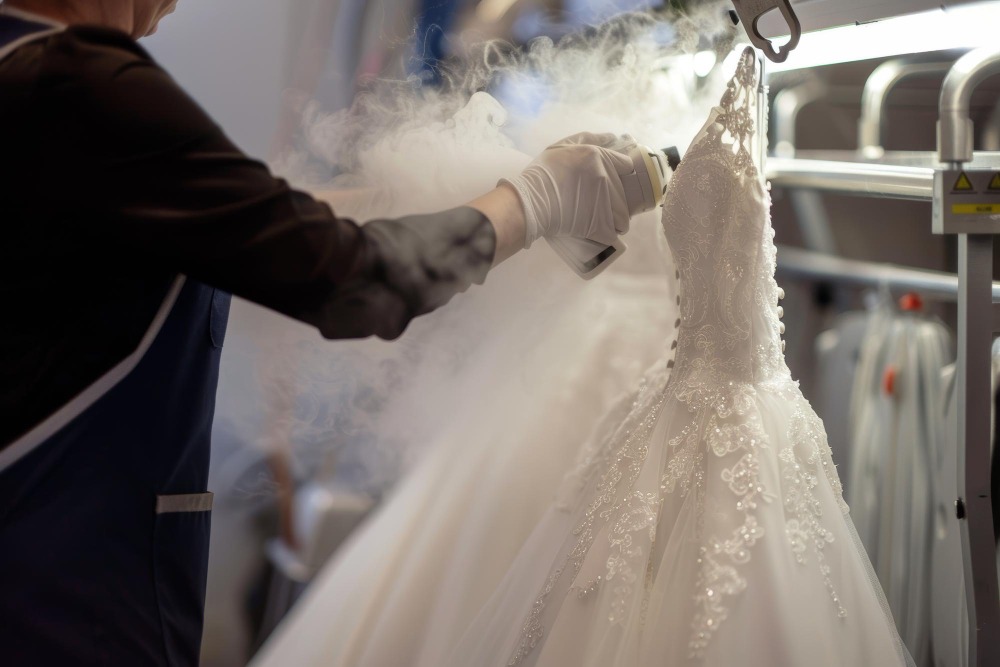
 How Fabspin Cleans, Preserves, and Stores Wedding Dresses

Bridal gowns are often cherished treasures, symbolizing one of the most significant moments in a person’s life. At Fabspin, we specialize in cleaning, preserving, and storing these exquisite garments to ensure they remain as beautiful as the day they were worn. In this blog, we delve into our meticulous processes and provide essential tips for brides on how to maintain their wedding dresses.

Blog

How Fabspin Leverages Technology for Efficient and Precise Cleaning Services

Fabspin is redefining the cleaning industry by incorporating advanced technology into its processes. From automated sorting and precision-based cleaning methods to eco-friendly practices, Fabspin guarantees a seamless cleaning experience. Learn how their innovative approach delivers effiFabspin is redefining the cleaning industry by incorporating advanced technology into its processes. From automated sorting and precision-based cleaning methods to eco-friendly practices, Fabspin guarantees a seamless cleaning experience. Learn how their innovative approach delivers efficient, sustainable, and immaculate cleaning solutions.
cient, sustainable, and immaculate cleaning solutions.

Blog

How Consistent Dry Cleaning Extends the Life of Your Clothes

Regular dry cleaning is more than a luxury; it’s an investment in the longevity of your wardrobe. In this blog, we’ll discuss how consistent dry cleaning can help maintain fabric quality, prevent damage, and extend the life of your favorite clothes, ensuring they stay fresh and vibrant for years to come.

Blog

Last-Minute Festive Fixes: Quick Dry Cleaning Tips

The festive season is here, and with it comes a whirlwind of parties, celebrations, and family gatherings. But what happens when your favorite outfit gets a stain or wrinkles just before a big event? Don’t panic! Our quick dry cleaning tips will help you salvage your wardrobe and ensure you look your best for every occasion.

Blog

Why Regular Sofa Cleaning is Essential for a Healthy Home

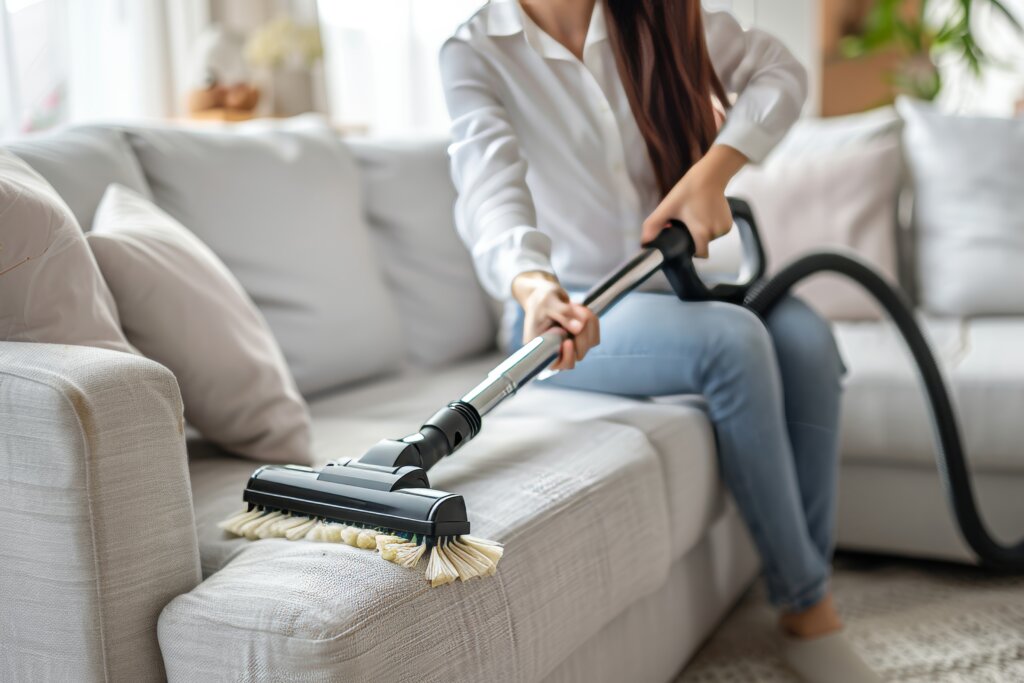
Why Regular Sofa Cleaning is Essential for a Healthy Home Your sofa is probably one of the most used pieces of furniture in your home. It’s where you relax, entertain guests, and maybe even eat the occasional meal. But with all that use, your sofa can become a hotspot for dirt, allergens, and bacteria. Regular sofa cleaning is essential for maintaining a healthy home environment. Let’s dive into why this is so important and how you can keep your upholstery in top condition. 1. Eliminates Allergens and Dust Mites Over time, sofas can accumulate a significant amount of dust, pet dander, and other allergens. These particles can trigger allergies and asthma, making it difficult to breathe comfortably in your home. Regular cleaning removes these allergens, creating a healthier environment for you and your family. 2. Reduces Bacteria and Germs Your sofa can harbor bacteria and germs from various sources, including food spills, pet fur, and outdoor dirt brought in on clothing. These microorganisms can pose health risks, particularly to children and pets. Professional cleaning methods can effectively sanitize your sofa, reducing the risk of illness. 3. Prolongs the Life of Your Furniture Dirt and debris can wear down the fabric of your sofa over time, leading to tears and fraying. Regular cleaning helps maintain the integrity of the upholstery, prolonging the life of your furniture and saving you money in the long run. 4. Improves Indoor Air Quality A clean sofa contributes to better indoor air quality. Dust and allergens trapped in your furniture can become airborne, affecting the air you breathe. Regular cleaning reduces the amount of pollutants in your home, leading to fresher, cleaner air. 5. Enhances Appearance and Comfort Let’s face it, a clean sofa looks and feels better. Regular cleaning helps maintain the appearance of your upholstery, keeping colors vibrant and fabrics soft. This not only makes your living space more inviting but also enhances your overall comfort. 6. Removes Stains and Odors Spills and stains are inevitable, especially if you have kids or pets. Without proper cleaning, these stains can set in and become difficult to remove. Regular cleaning helps prevent stains from becoming permanent and keeps unpleasant odors at bay. How to Clean Your Sofa Effectively Now that we understand why regular sofa cleaning is essential, let’s look at some effective cleaning practices: Vacuum Regularly Use a vacuum cleaner with an upholstery attachment to remove dust, crumbs, and pet hair from your sofa. Pay special attention to crevices and seams where debris can accumulate. Spot Clean Spills Immediately Tackle spills as soon as they happen to prevent staining. Blot the spill with a clean cloth and use a mild detergent mixed with water to gently clean the area. Use Upholstery Cleaners For a deeper clean, use a commercial upholstery cleaner suitable for your sofa’s fabric. Follow the manufacturer’s instructions and test a small, inconspicuous area first to ensure it doesn’t damage the material. Steam Cleaning Steam cleaning is an effective way to sanitize your sofa and remove deep-seated dirt and allergens. You can rent a steam cleaner or hire a professional service for this task. Professional Cleaning Consider having your sofa professionally cleaned once or twice a year. Professionals have the expertise and equipment to thoroughly clean and sanitize your upholstery. FAQs About Sofa Cleaning Q: How often should I clean my sofa? A: It’s recommended to vacuum your sofa weekly and have it professionally cleaned at least once a year. More frequent cleaning may be necessary if you have pets or allergies. Q: Can I use any cleaner on my sofa? A: Always check the care label on your sofa and test any cleaner on a small, hidden area first. Different fabrics require different cleaning methods. Q: Is professional sofa cleaning worth it? A: Yes, professional cleaning can extend the life of your sofa, improve air quality, and ensure a thorough clean that you might not achieve on your own. Wrapping Up Regular sofa cleaning is more than just a chore – it’s a crucial step in maintaining a healthy and comfortable home. By eliminating allergens, bacteria, and dirt, you can enjoy a cleaner, fresher living space. Incorporate these cleaning practices into your routine to keep your sofa looking and feeling its best.

Blog

How to Extend the Life of Your Wardrobe: Expert Tips and Tricks

Your wardrobe is an investment, and with the right care, you can ensure your clothes stay in excellent condition for years. Extending the life of your wardrobe not only saves you money but also reduces waste and promotes sustainability. Here are some expert tips and tricks to help you maintain your garments and keep them looking new. 1. Wash with Care The way you wash your clothes significantly impacts their longevity. Follow these guidelines to protect your garments during laundering: 2. Drying Techniques Proper drying techniques are essential to prevent damage to your clothes: 3. Smart Storage Solutions How you store your clothes can make a big difference in their lifespan: 4. Regular Maintenance Routine maintenance can help you catch small issues before they become big problems: 5. Mindful Purchasing Being selective about what you buy can help you build a more durable wardrobe: Additional Tips for Specific Fabrics Different fabrics have unique care requirements. Here are some tips for specific types of fabric: FAQs Q: How often should I wash my clothes?A: It depends on the item. Some garments, like jeans and sweaters, can be worn multiple times before washing, while others, like underwear and workout clothes, should be washed after each use. Q: What’s the best way to deal with stubborn stains?A: Treat stains as soon as possible. Blot with a clean cloth and use a stain remover suitable for the fabric. Avoid rubbing, as this can push the stain deeper into the fibers. Q: How can I prevent moth damage?A: Store clothes in airtight containers or use garment bags. Use cedar blocks or lavender sachets in your closet to repel moths naturally. Wrapping Up Taking the time to properly care for your wardrobe can significantly extend the life of your clothes, saving you money and contributing to a more sustainable lifestyle. By following these tips on washing, drying, storing, and maintaining your garments, you can keep your wardrobe looking fresh and new for years to come. Happy caring!

Blog

The History of Dry Cleaning: From Then to Now

Ever wondered how dry cleaning began? Discover the intriguing history of dry cleaning, tracing its roots from ancient times to the sophisticated processes of today. Learn how this essential service has evolved and transformed fabric care.

How Dry Cleaning Works indian
Blog

How Dry Cleaning Works: A Behind-the-Scenes Look

Ever wondered how dry cleaning works? Dive into a behind-the-scenes exploration of the dry cleaning process, from the initial inspection to the final finishing touches. Understand why this method is preferred for delicate fabrics and stubborn stains.

Benefits of Professional Dry Cleaning
Blog

Benefits of Professional Dry Cleaning

When it comes to caring for your clothes, especially delicate or high-quality garments, professional dry cleaning offers numerous advantages. While home laundering works for many everyday items, there are several benefits to entrusting your clothing to professional dry cleaners like Fabspin Dry Cleaners in Delhi. 1. Thorough Cleaning Professional dry cleaners use specialized solvents that are more effective than water at removing stains and dirt from fabrics. These solvents penetrate the fibers of your clothing, lifting out oil, grease, and stubborn stains that typical washing machines can’t handle. This ensures your clothes come back looking fresh and spotless. 2. Fabric Care and Longevity Different fabrics require different care. Professional dry cleaners understand the specific needs of various materials, from silk and wool to delicate lace and cashmere. By using the right cleaning methods, they help preserve the texture, color, and lifespan of your garments, ensuring they look and feel new for longer. 3. Expert Stain Removal Some stains are notoriously difficult to remove with regular washing. Professional dry cleaners have the expertise and tools to tackle even the toughest stains. They can assess the nature of the stain and apply the appropriate treatment to effectively remove it without damaging the fabric. 4. Convenience Using a professional dry cleaning service saves you time and effort. Instead of spending hours washing, drying, and ironing your clothes, you can drop them off at the dry cleaners and pick them up clean, pressed, and ready to wear. This convenience is especially valuable for busy professionals and families. 5. Preservation of Delicate Items Many delicate items, such as evening gowns, suits, and wedding dresses, require special care that home washing simply can’t provide. Professional dry cleaners have the knowledge and equipment to handle these items with the utmost care, preserving their beauty and quality. 6. Odor Removal Professional dry cleaning can effectively eliminate persistent odors that regular washing might not fully remove. Whether it’s smoke, food, or body odors, the solvents and techniques used in dry cleaning can refresh your garments, leaving them smelling clean and pleasant. 7. Professional Pressing and Finishing A significant benefit of dry cleaning is the professional pressing and finishing your clothes receive. This results in crisp, wrinkle-free garments that look polished and presentable. This is particularly important for business attire, formal wear, and special occasion outfits. 8. Moth and Mildew Prevention Professional dry cleaners often offer additional services such as mothproofing and mildew prevention. These treatments can protect your clothes from common fabric-damaging pests and moisture-related issues, ensuring your wardrobe stays in top condition. 9. Alterations and Repairs Many dry cleaning services also provide alterations and repairs. Whether you need a hem adjusted, a zipper replaced, or a button reattached, professional dry cleaners can handle these tasks, giving your garments a new lease on life. 10. Environmental Considerations Modern dry cleaners, including Fabspin Dry Cleaners in Delhi, are increasingly using environmentally friendly methods and solvents. These green practices not only care for your clothes but also reduce the environmental impact, making professional dry cleaning a more sustainable choice. Conclusion Entrusting your clothing to professional dry cleaners offers numerous benefits, from superior cleaning and fabric care to convenience and expert stain removal. Whether you have delicate fabrics, tough stains, or simply want to extend the life of your wardrobe, professional dry cleaning is a valuable service. Next time you search for “dry cleaners near me in Delhi” or “best dry cleaners in Delhi,” remember the advantages of choosing a reputable service like Fabspin Dry Cleaners. Read More Benefits of Professional Dry Cleaning How to Remove Common Stains at Home What is the difference between laundry and dry cleaning? Is Dry Cleaning or Washing Better? Understanding the Benefits


How to Remove Common Stains at Home
Blog

How to Remove Common Stains at Home

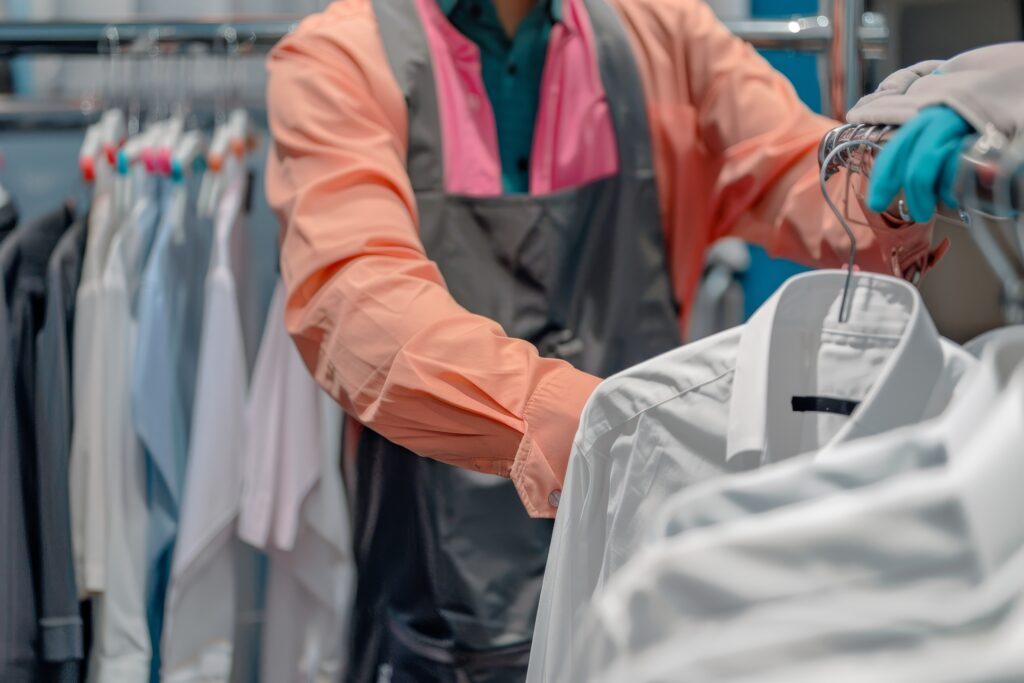
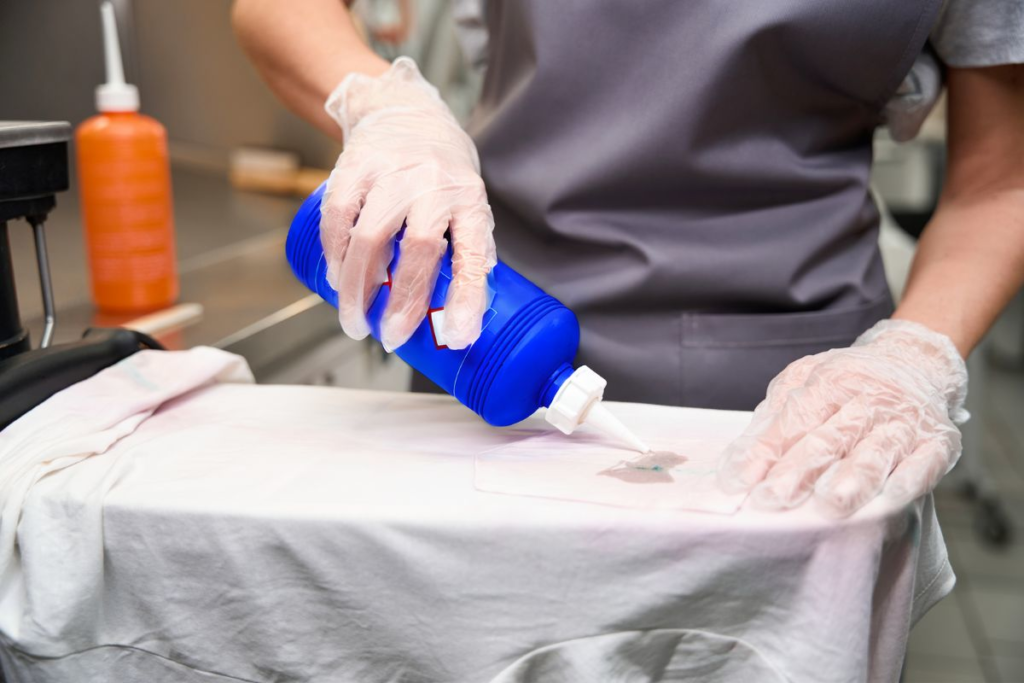
Everyone faces the challenge of stains, whether it’s a spill on your favorite shirt or a stubborn mark on your carpet. But fear not! With a few handy tips and tricks, you can tackle these common stains without breaking a sweat. In this article, we’ll walk you through the process of removing different types of stains using everyday household items. Ready to become a stain-fighting pro? Remove Common Stains at Home Spilled coffee on your favorite shirt? Don’t worry! Coffee stains are common but can be easily handled. Start by blotting the stain with a clean cloth to absorb as much liquid as possible. Then, mix a solution of one tablespoon of liquid dish soap, one tablespoon of white vinegar, and two cups of warm water. Apply the solution to the stain using a clean cloth, blotting continuously until the stain is gone. Rinse with cold water and launder as usual. Getting Rid of Red Wine Stains Red wine stains can seem disastrous, but they’re not impossible to remove.The key is to act quickly. First, blot the stain with a clean cloth to soak up excess wine. Sprinkle salt over the stain to absorb the liquid. After a few minutes, rinse the fabric with cold water. Then, apply a mixture of dish soap and hydrogen peroxide to the stain and let it sit for a while. Rinse and wash as usual.  Eliminating Ink Stains Ink stains can be tricky, but don’t fret. Start by placing a paper towel under the stained area to prevent the ink from spreading. Dab rubbing alcohol on the stain using a cotton ball. Continue blotting until the ink starts to lift. Rinse the fabric with cold water and wash as usual. For delicate fabrics, consider using a milk soak instead of rubbing alcohol. Banishing Grease Stains Grease stains are common in the kitchen, but they’re easy to remove with a few steps. First, sprinkle baking soda or cornstarch over the stain to absorb excess grease. Let it sit for 15 minutes, then brush off the powder. Apply a small amount of dish soap directly to the stain and gently rub it in. Rinse with hot water and launder as usual.  Tackling Grass Stains Grass stains can be stubborn, especially on children’s clothes. Start by mixing one part white vinegar with two parts water. Apply this solution to the stain and let it sit for 15 minutes. Gently scrub the stain with a soft brush. Rinse with cold water and launder as usual. For tougher stains, you can use a paste of baking soda and water instead. Removing Blood Stains Blood stains can be tough, but they are not invincible. Rinse the stain with cold water as soon as possible. Soak the fabric in cold water mixed with a bit of salt or hydrogen peroxide for about 30 minutes. Gently scrub the stain, rinse with cold water, and launder as usual. Avoid using hot water, as it can set the stain. Handling Sweat Stains Sweat stains are common, especially on light-colored clothing. Mix equal parts lemon juice and water and apply it to the stain. Let it sit for about 30 minutes before rinsing with cold water. For more stubborn stains, make a paste of baking soda and water and scrub the stain gently before laundering. Dealing with Chocolate Stains Chocolate stains can be pesky, but they’re no match for you. Scrape off any excess chocolate carefully. Apply a mixture of dish soap and warm water to the stain and blot gently. Rinse with cold water and repeat if necessary. Launder as usual. Erasing Mud Stains Mud stains are common but manageable. Let the mud dry completely before attempting to remove it. Brush off as much dried mud as possible. Soak the fabric in a solution of warm water and liquid detergent for about 15 minutes. Gently scrub the stain, rinse with cold water, and launder as usual. Conclusion Stains are a part of life, but they don’t have to ruin your favorite clothes or fabrics. With these simple, effective methods, you can tackle almost any common stain at home. Remember, the key is to act quickly and use the right technique for each type of stain. And if all else fails, don’t hesitate to seek professional help. Fabspin dry cleaners, the best dry cleaners in Delhi, are just a call away. Whether you’re searching for “dry cleaners near me in Delhi” or “dry cleaners in Delhi,” Fabspin dry cleaners have got you covered.
Laundry and Dry Cleaning
Blog

What is the difference between laundry and dry cleaning?

When it comes to maintaining our wardrobes, understanding the difference between laundry and dry cleaning is essential. Both processes serve to clean clothes, but they use different methods, suitable for different types of fabrics and stains. This article will delve into the fundamental differences between laundry and dry cleaning, highlighting their unique processes, advantages, and appropriate uses. Understanding Laundry Laundry is a traditional method of cleaning clothes using water, detergent, and mechanical action. The process involves several steps: Advantages of Laundry: Suitable for: Everyday clothing such as cotton, polyester, and other washable fabrics. Understanding Dry Cleaning Dry cleaning, in contrast, uses a chemical solvent to clean clothes instead of water. The process involves the following steps: Advantages of Dry Cleaning: Suitable for: Delicate fabrics, structured garments like suits and coats, and items with intricate detailing or beading. Key Differences Understanding these differences helps in choosing the right cleaning method for your garments, ensuring they remain in excellent condition and prolonging their lifespan.

fabspin store
Blog

Is Dry Cleaning or Washing Better? Understanding the Benefits

Many of us live busy lives, so we don’t look forward to cleaning. Sometimes, in the never-ending discussion between dry cleaning and washing, we conclude that the cleaning option is actually better. Discover the advantages of dry cleaning, comparing it with regular washing, and discover why it’s sometimes undervalued when it comes to clothes care as we go deeper into the topic. Discovering the Positive Impact of Dry Cleaning 1. Dealing with materials Among its many advantages is its ability to reach out to fragile substances all over the dry cleaning process. Very fragile substances like silk, wool, and cotton need special handling to avoid damage. Chemical-based dry cleaning techniques are used with care to preserve the overall quality, appearance, and colour of these clothes. 2. The Possibility of Removing Spots Dry cleaning is not only a cleaning technique but also an excellent way to reduce spots. It could be challenging to stay away from bright colours like oil or ink, even with frequent washing. Your clothes will look brand new after dry cleaning, which uses its expert processes to successfully remove these marks. The conflict between dry cleaning and washing 3.The Latest Technology for Exact Cleaning Modern technology used in dry cleaning machines reduces stress and friction on materials. These machines’ reliability provides a complete yet delicate cleaning, effectively removing pollutants without putting your clothes through the challenging treatment that regular washing machines are known for. 4. Effect on the Environment It goes without saying that washing machines use a lot of energy and water. Due to its waterless nature, dry cleaning is thought to be more environmentally friendly. Making a change to dry washing can be a simple yet important step towards lowering the environmental impact in light of the growing need for green living. 5. The practicality Matters In our busy life, simplicity of use is important. You can save time and effort by choosing an easy choice like dry cleaning. Leave your clothes untouched and let specialists take care of the rest. There are no problems with organising or washing to deal with—just quick and easy service. Why Is Dry Cleaning Your Favourite Method? 6. Additional Attention for Particular Situations Some clothing items, such as formal suits or wedding dresses, frequently include luxurious fabric and detailed needlework. Dry cleaning guarantees that the style and beauty of these one-of-a-kind pieces will last for many years by giving them the special attention they need. 7. The Removal of Odours Clothes that are washed at home are more likely to smell, particularly when they are not properly dried. Your clothes come out from the dry cleaners not only clean but also with an inviting smell. 8. The Advantage of Being Crease-Free Dry washing has made lines outdated but ironing is still a challenging job. The pressing and steaming stages in the process will give your clothes a professionally cleaned look with no effort. In conclusion, a clean dry cleaning wash In the ongoing discussion between dry cleaning and washing, dry cleaning comes out on top for people looking for the best possible care for their clothing. Dry cleaning has several advantages over regular washing, including the ability to remove spots properly and protect sensitive materials. Thus, the next time you think about putting things in the washing basket, take note of the long-term benefits of dry cleaning—it’s more than just a job; it’s an agreement to the lifespan and quality of your clothing.

our employee
Blog

The Complete Guide to Lehenga Dry Cleaning at Home

Your lehenga is more than just a dress — it’s a masterpiece of vibrant colors, intricate embroidery, and fine craftsmanship that deserves the utmost care. While it’s always best to trust Professional Dry Cleaners in Delhi or the Best Dry Cleaners in Delhi for expert care, there are times when a do-it-yourself approach can be both practical and effective. Don’t worry! With the right techniques and gentle handling, dry cleaning your lehenga at home can help preserve its beauty and brilliance. Here’s your complete guide to keeping your exquisite outfit looking as stunning and brand new as the day you bought it. Recognising the Fabric of Your Lehenga It’s important to know the fabric of your lehenga before beginning the dry cleaning process. Various fabrics demand distinct maintenance, and a universal solution may have unintended consequences. If you are unsure of the fabric of your lehenga, check the care label or conduct a brief internet search. Cotton, silk, velvet, and georgette are examples of common textiles. Compile Your Materials 1. Gentle Cleaner Choose a mild detergent that won’t harm your clothes. Strong detergents and bleach should not be used since they can harm your lehenga’s delicate fibers. 2. Chilled Water When it comes to keeping your lehenga’s color and texture intact, cold water is your friend. Hot water has the potential to harm some textiles and causes colors to bleed. 3. A gentle cloth or brush Use a soft brush or cloth to dab or massage the soiled area lightly when doing any spot cleaning. To avoid damage, do not scrape too hard. 4. White Balm If your lehenga has an odour, white vinegar can be your saving grace. For the last rinse, add a cup of white vinegar to help neutralise any residual odours. 5. Swelling Towels Keep soft, absorbent towels handy to dab away any remaining moisture from your lehenga. The cloth may get twisted or wrung out, which will change its shape. 6. Laundry bag mesh To preserve any delicate stitching or embellishments on your lehenga after washing, think about putting it in a mesh laundry bag. Spot Cleaning: How to Handle Stains Determine the Spot: Ascertain the sort of stain you are working with because various stains could need different treatments. Take immediate action to stop the stain from settling. Light Dabbing: Use a sponge or soft cloth to blot the stain gently. Steer clear of rubbing as this could exacerbate the stain and rip the fabric. Gentle Cleaning Solution: To make a soapy solution, use a tiny amount of mild detergent with cold water. Using a fresh cloth, gently dab the stained area after applying the solution. Thoroughly Rinse Use cold water to rinse the stained area in order to get rid of any soap residue. Examine the stain and repeat the procedure if needed. Hand Cleaning Your Saree Fill a basin or bathtub: Pour cold water into a sanitized tub or basin. Make sure there’s sufficient water to submerge your lehenga completely. Use a Light Detergent: To the water, add a tiny bit of mild detergent. In order to make a mild soap solution, swirl the water. Immerse Your Gown: To make sure the entire lehenga is soaked, submerge it in the soapy water and gently press it down. Modest Excitation: To simulate the mild cycle of the washing machine, gently stir the water with your hands. Take a Dip: Give your lehenga ten to fifteen minutes to soak. During this period, use your fingertips to gently rub any dirty areas. Thoroughly Rinse Replace the tub’s water with fresh, cold water after draining the soapy water. To remove the detergent, gently stir the water. If necessary, repeat: Rinse your lehenga again until the water flows clear if it still feels soapy. Drying Your Lehenga to Get Rid of Extra Water: Wring or twist your lehenga; instead, gently press the water out. To absorb more moisture, lay your lehenga on a fresh, dry towel and roll it up. Laying Flat: Spread out your lehenga on a fresh, dry cloth. After reshaping it to its original shape, let it air dry. Stay out of the direct sun: Direct sunshine can degrade colours, even though it can aid in drying. Select an indoor or shaded drying area. Suspended Options: To save the shape of your richly embroidered lehenga, think about putting it on a padded hanger. Keep it away from sources of heat: Keep your lehenga away from radiators and heaters as heat can deteriorate some types of fabric. Final Details: Steam Remove Wrinkles: To gently remove any wrinkles from your lehenga, use a handheld steamer. To avoid making direct contact with the fabric, keep a safe distance. Gentle Ironing: If ironing is required, use the lowest heat setting and shield your lehenga from direct contact with the iron by placing a clean towel between them. Holding: When your lehenga is totally dry, put it in a fresh cotton sheet to keep it dust-free or store it in a breathable garment bag. You may take the necessary care of your lehenga without having to hire a dry cleaner by following these procedures. Recall that maintaining the elegance of your festive dress requires time and cautious handling. Sustaining Lehenga Brilliance Over Time Frequent Examinations: Check your lehenga frequently for any loose threads, missing embellishments or wear indicators. By taking care of these problems right once, you can avoid more harm and maintain the flawless appearance of your clothing. Care Specific to Fabric:  Various textiles require varying levels of attention. Learn about the particular requirements of the fabric—cotton, silk, georgette, or velvet—that makes up your lehenga. With this knowledge, you may be sure to use the best cleaning and maintenance methods. Occasional Professional Cleaning:  Although home maintenance is great, professional dry cleaning can occasionally provide a deeper clean. Expert cleaners know how to take care of delicate materials and elaborate decorations, so your lehenga will get a thorough cleaning without losing its integrity. Emergency Advice for Frequently Occurring Colour Bleeding: Stop washing your hands

Scroll to Top

Thank you for subscribing Fabspin.